

Healthy Toe Care Guide for Preventing Fungal and Skin Infections
· Last updated June 11, 2026Most people spend time caring for their face, hair, and hands but often forget about their toes until pain or irritation appears. Healthy toes are important for daily comfort, balance, movement, and overall hygiene. Small problems like dryness, moisture buildup, or tight shoes can quickly turn into painful infections if ignored.
Good toe care does not need expensive treatments or complicated routines. A few healthy habits can protect your skin, nails, and feet from bacteria and fungus. Paying attention to cleanliness and comfort can also improve confidence and prevent odor.
Many people today also explore the best toe care products to support better hygiene and smoother skin. Choosing the right routine early can help avoid long term discomfort and keep your feet feeling fresh every day.
Daily Toe Cleaning Habits That Matter
Gentle Washing Improves Skin
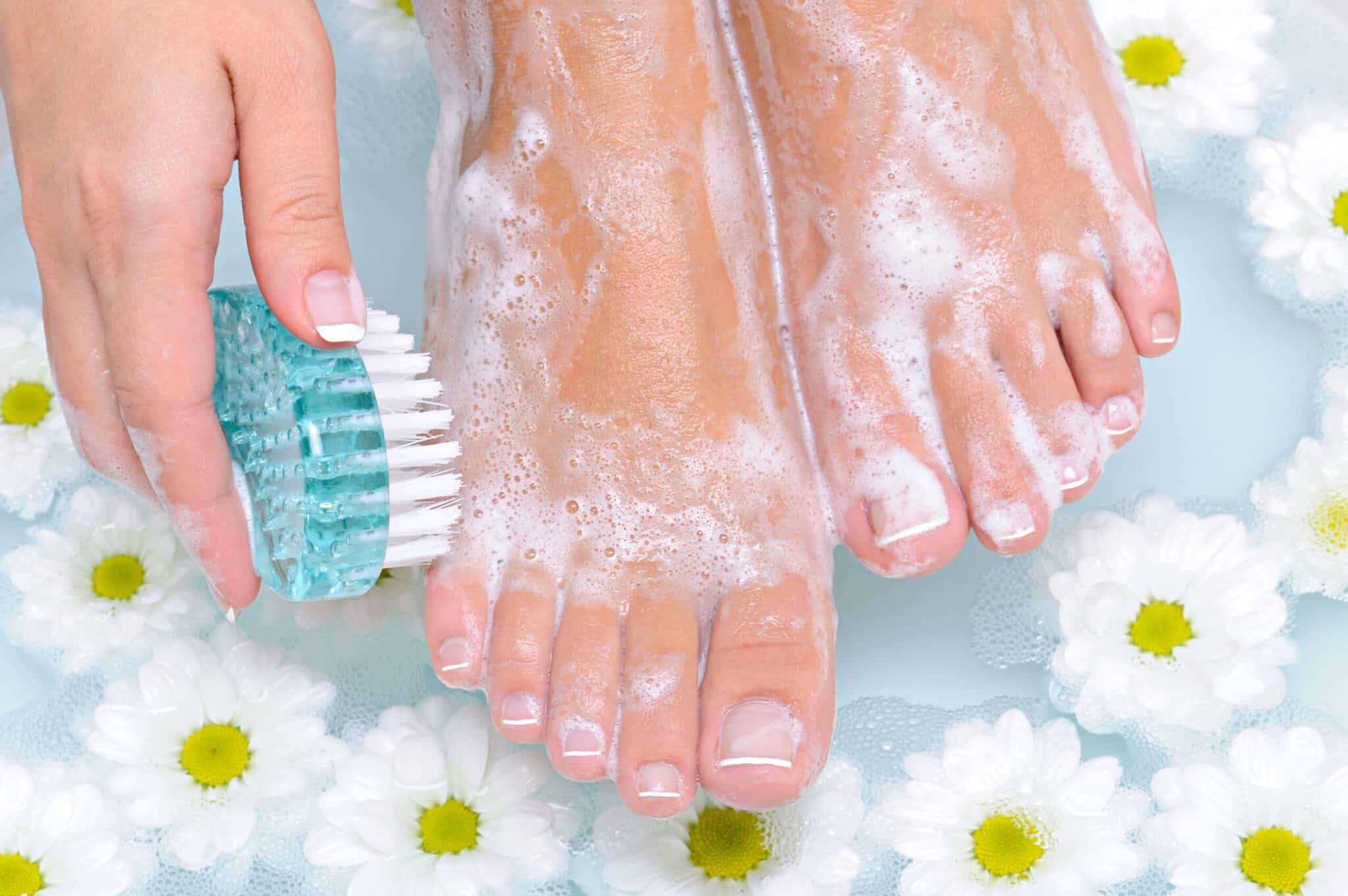
Washing your feet daily removes sweat, dirt, and bacteria that collect around the toes during the day. Warm water and mild soap help clean sensitive areas without drying the skin. Pay close attention to the spaces between each toe where moisture usually stays trapped.
Dry Toes Carefully After Showering
Wet skin creates the perfect environment for fungal growth and irritation. After bathing, gently dry every part of the foot with a soft towel. Many people rush this step, but keeping the toes dry is one of the simplest ways to prevent infection naturally.
Fresh Socks Reduce Moisture
Clean socks help absorb sweat and reduce odor throughout the day. Cotton blends and breathable materials improve airflow around the toes. Changing socks after exercise or long walks can protect the skin from excess moisture and reduce irritation caused by friction.
Nail Cleaning Prevents Bacteria
Dirt under toenails may carry bacteria that increase infection risk. Use a soft nail brush to clean gently during showers. Avoid digging deeply under the nails because this can damage sensitive tissue and create openings where bacteria may enter easily.
Prevent Fungal and Bacterial Infections
Public Areas Increase Infection
Locker rooms, pools, and shared showers often carry fungus and bacteria. Wearing sandals in public wet areas helps protect your skin from direct exposure. Even small cuts around the toes can allow infections to spread quickly in damp environments.
Don’t Ignore Early Signs
Redness, itching, swelling, or peeling skin may indicate an infection beginning to develop. Treating symptoms early usually prevents worsening conditions. Delaying care can allow bacteria or fungus to spread deeper into the skin and nails over time.
Skin Protection Supports Recovery
Dry and cracked skin creates openings where bacteria can enter easily. Using moisturizing creams designed for feet helps maintain a healthy skin barrier. Soft and hydrated skin around the toes is less likely to become irritated during daily movement.
Proper Hygiene Limits Odor
Foot odor often develops when sweat mixes with bacteria trapped inside shoes or socks. Washing feet daily and allowing shoes to dry fully can help control smell naturally. Hygiene habits also support healthier nails and smoother skin texture.
Reliable Products Improve Foot
Many people use foot care products for infection prevention during humid seasons or sports activities. Powders, sprays, and protective creams can help reduce moisture buildup. Choosing products designed for sensitive skin helps maintain comfort without causing irritation.
Nail Care Tips For Strong Healthy Toes

Straight Nail Trimming Prevents Injury: Cutting toenails too short may increase the risk of painful ingrown nails. Trim nails straight across instead of rounding the edges deeply. Proper trimming protects the skin beside the nails and reduces unnecessary pressure while walking.
Sharp Tools Create Cleaner Results: Old clippers may tear nails instead of cutting them smoothly. Clean and sharp grooming tools reduce nail damage and improve hygiene. Sanitizing your nail tools regularly also lowers the chance of spreading bacteria from one toe to another.
Thick Nails Need Extra Attention: Thickened nails can trap dirt and become difficult to clean properly. Soaking feet in warm water before trimming may soften the nails and improve comfort. Persistent nail thickening should be checked by a medical professional for possible fungal causes.
Moisturizing Helps Prevent Cracking: Dry nails and skin around the toes may split easily during movement. Applying moisturizer after showers keeps the area softer and healthier. Hydrated skin supports flexibility and reduces the chance of painful cracks developing near the nail edges.
Modern Grooming Tools Save Time: Many people who manage thick nails at home prefer devices that simplify trimming and smoothing. A professional buy toe electric machine tool may help maintain cleaner nail edges with less effort. Careful use improves comfort while reducing accidental skin damage.
Frequently Asked Questions
How often should I wash my toes daily?
Washing once daily is usually enough for most people. If you sweat heavily or exercise often, cleaning your feet twice daily may help reduce bacteria and odor buildup.
Can tight shoes cause toe infections?
Yes. Tight footwear may damage the skin and nails through constant pressure and friction. Broken skin increases the risk of fungal and bacterial infections developing.
What causes bad odor between the toes?
Sweat trapped inside shoes allows bacteria to grow quickly. Poor ventilation and damp socks also contribute to unpleasant odor around the feet and toes.
Are home remedies enough for fungal infections?
Mild cases sometimes improve with good hygiene and over the counter creams. Severe infections or thick nails may require medical evaluation and stronger treatment.
Why do toenails become thick over time?
Thick nails may develop from aging, repeated pressure, injuries, or fungal infections. Proper trimming and early care help prevent worsening nail changes.
Wrapping It Up
Healthy feet begin with simple daily habits and consistent attention to hygiene. Washing carefully, trimming nails correctly, and wearing breathable shoes can greatly reduce the chances of irritation and infection. Small preventive steps often protect comfort and confidence for years.
People who maintain regular foot care routines usually experience fewer nail problems and healthier skin overall. Therefore, ToesNails also encourages better awareness about practical toe care that supports long term foot health naturally.